Rakovac
About 12 minutes by car
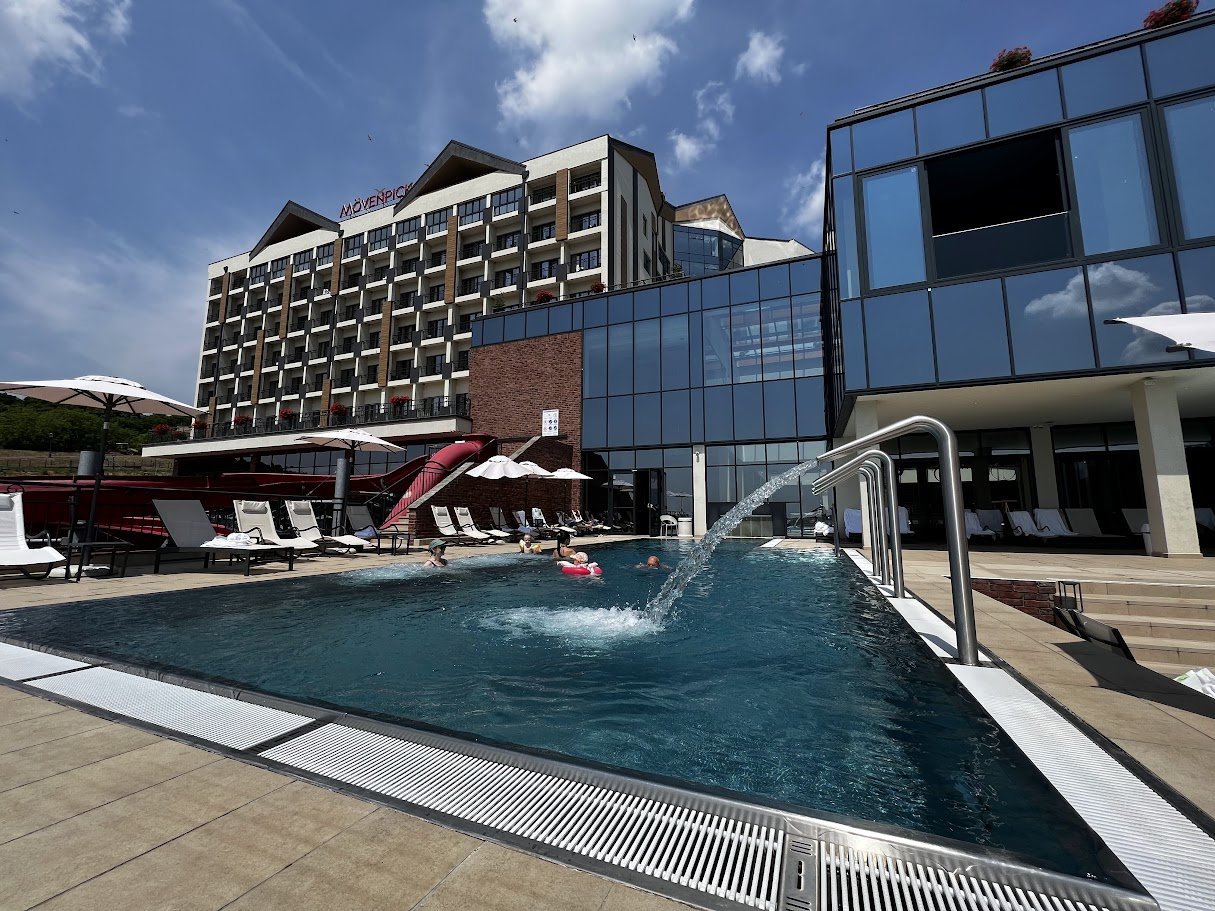
Vrdnik spa and Fruške Terme
A spa village on the other side of the mountain, with the large Fruške Terme thermal resort, the older Termal pools and traditional restaurants.
Petrovaradinska tvrđava · 17–20 minutes by car
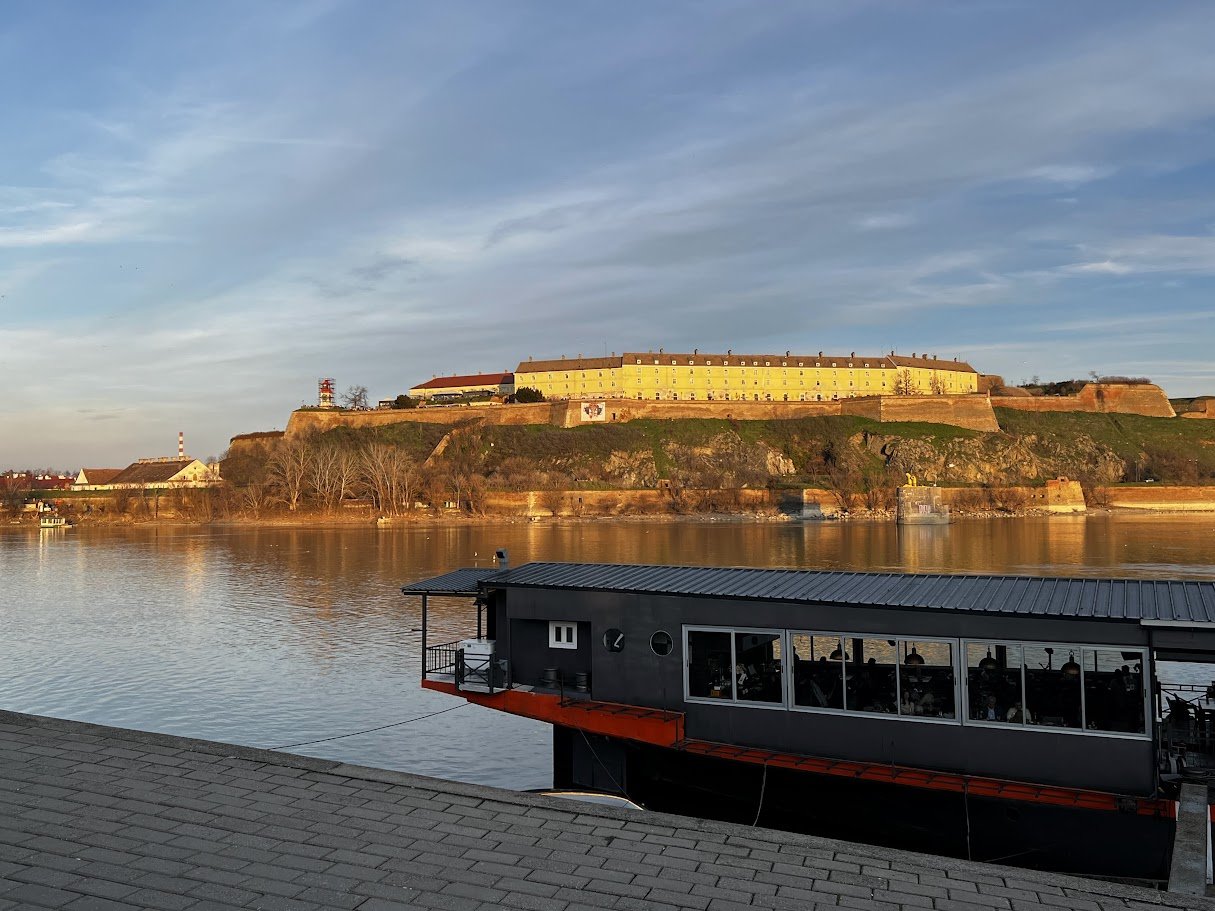
On a rock above the Danube, opposite the centre of Novi Sad, stands one of the largest fortresses in Europe. The Habsburgs built it in the 18th century against the Ottomans; under it run 16 kilometres of galleries on four levels.
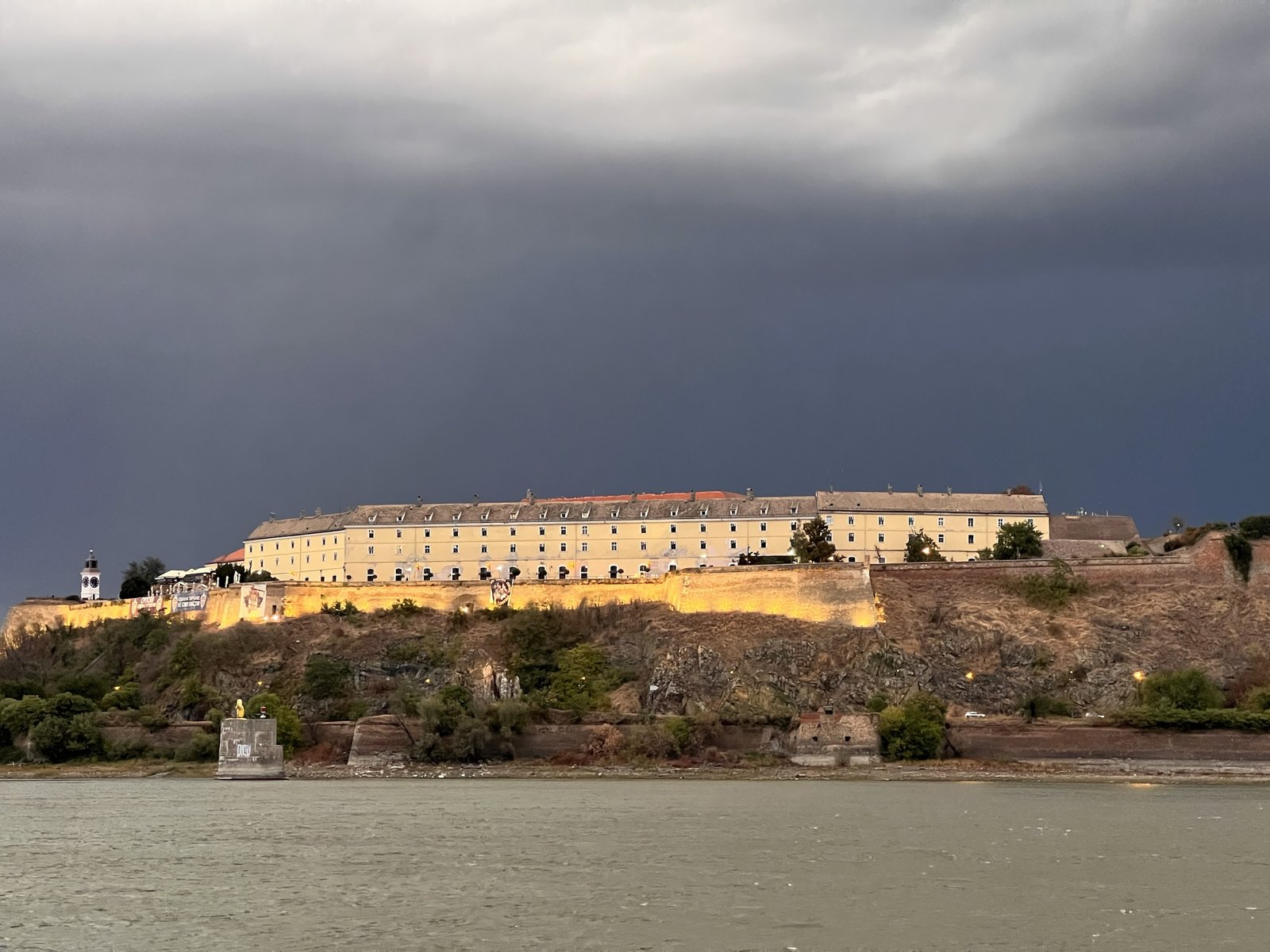
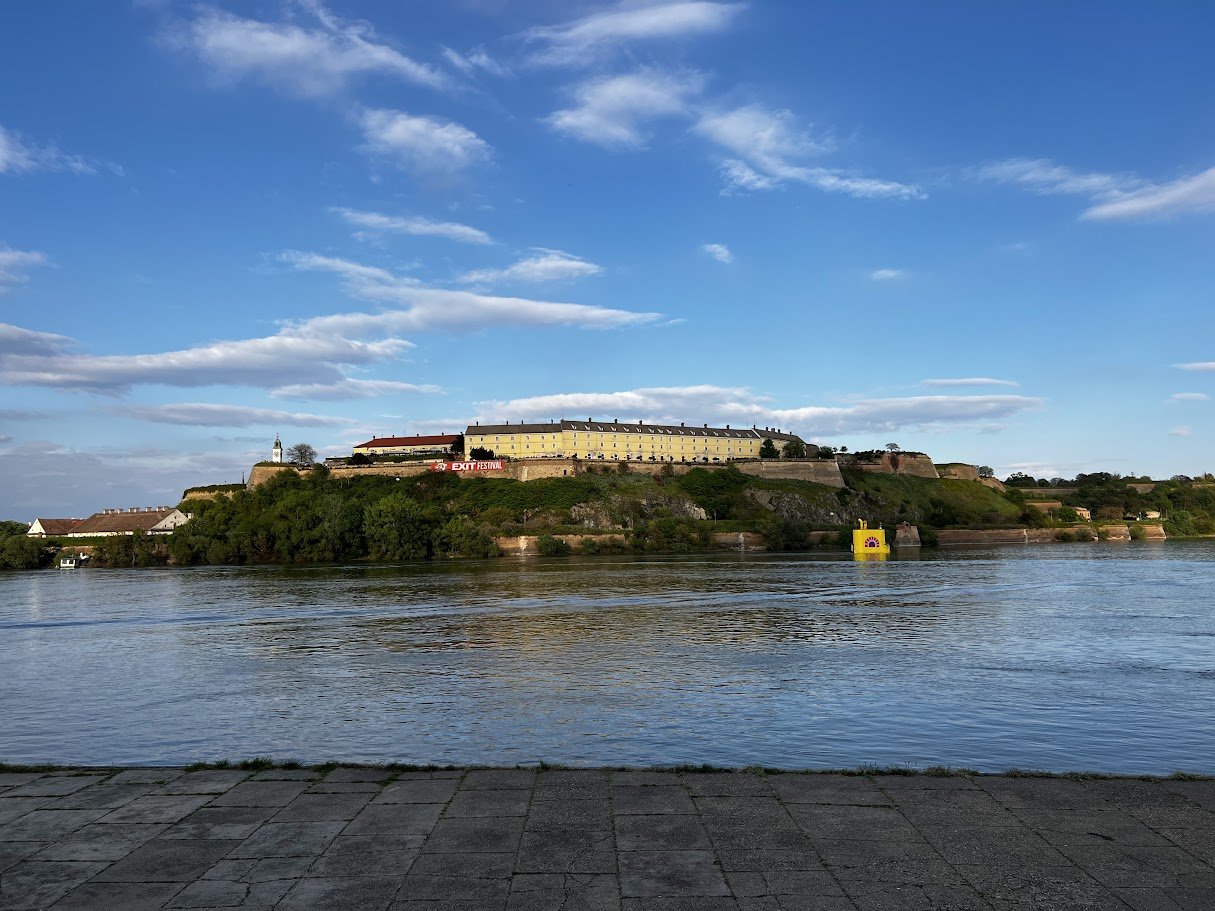
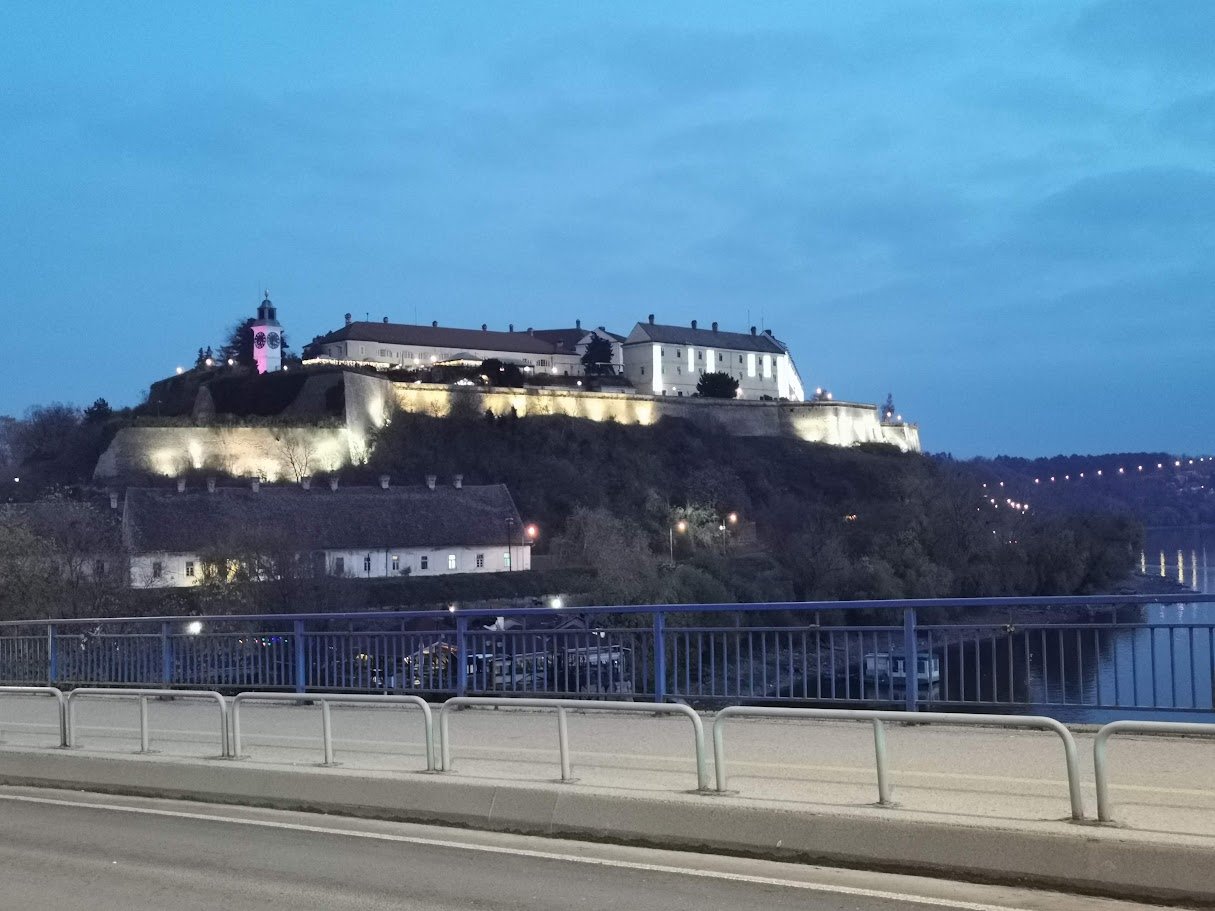
Petrovaradin Fortress (Petrovaradinska tvrđava) stands on a rock on the right bank of the Danube, in Petrovaradin, directly opposite the centre of Novi Sad. Because of its size and position it has long been called the “Gibraltar on the Danube”. From Rakovac it is 17–20 minutes by car. In 1991 it was listed as a spatial cultural-historical unit of great importance of the Republic of Serbia.
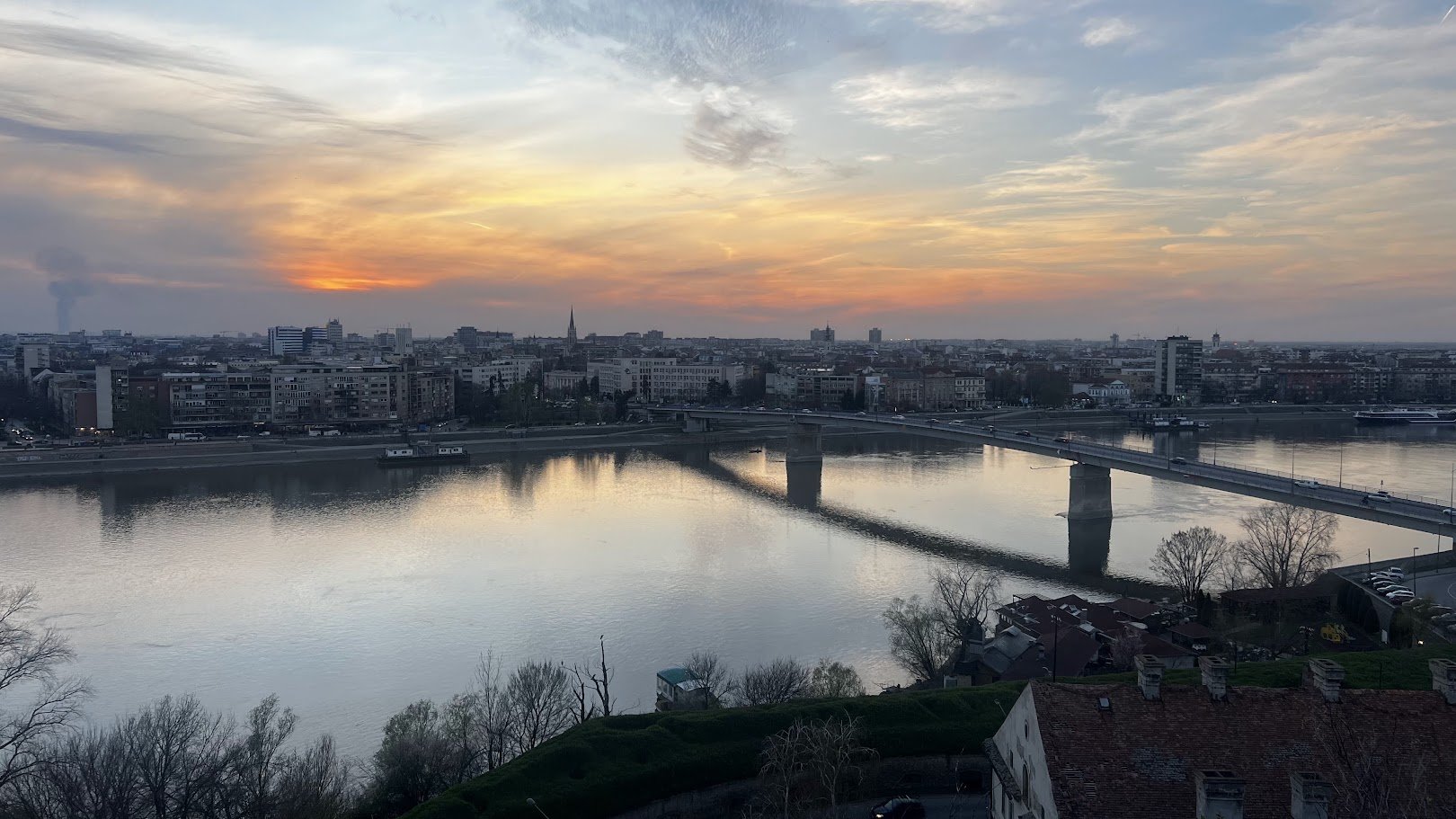
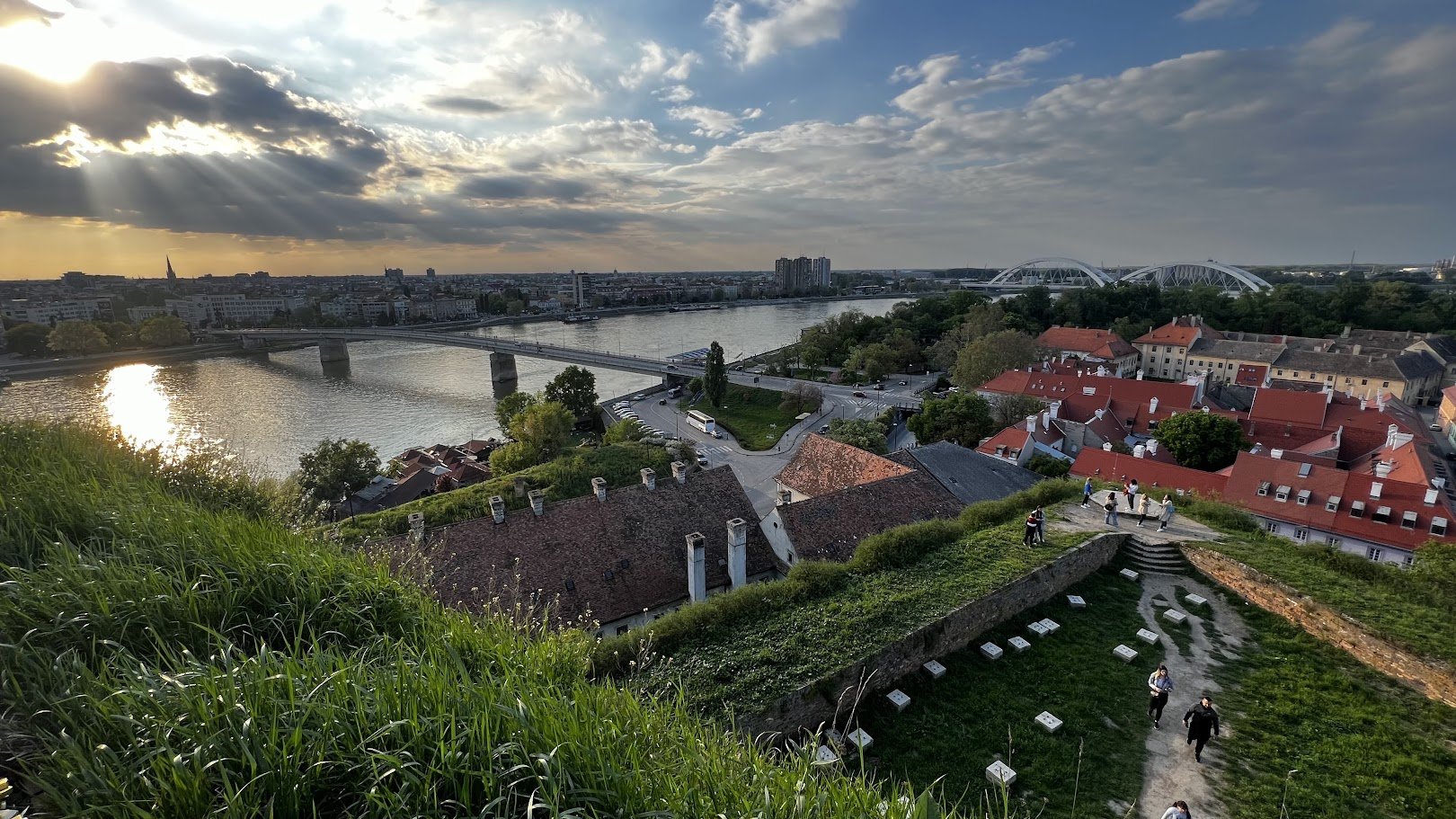
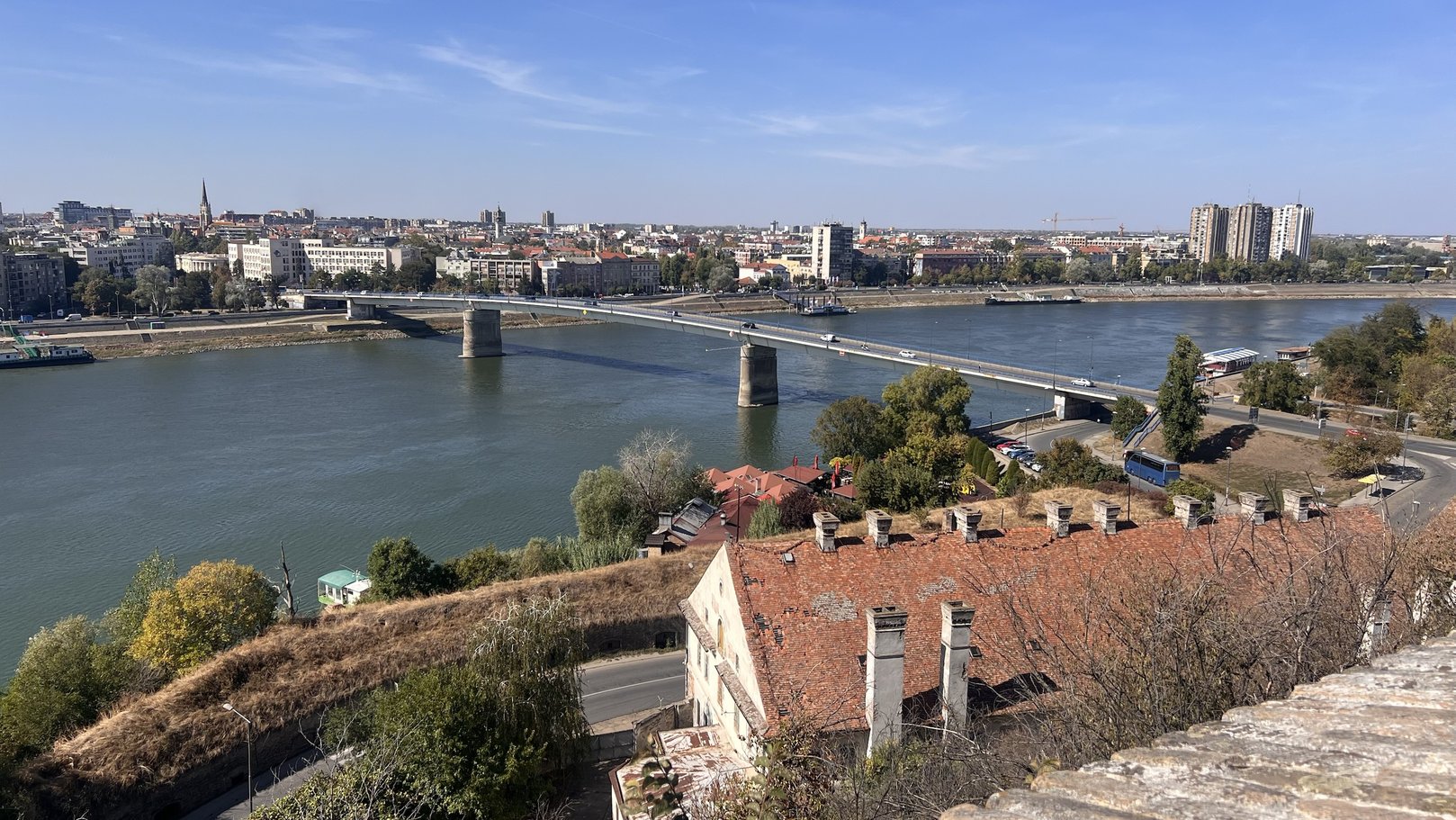
From the walls you look across the river to the whole of Novi Sad, and down onto the red roofs of the Lower Town of Petrovaradin. More photos: the album Petrovaradin Fortress in photos.
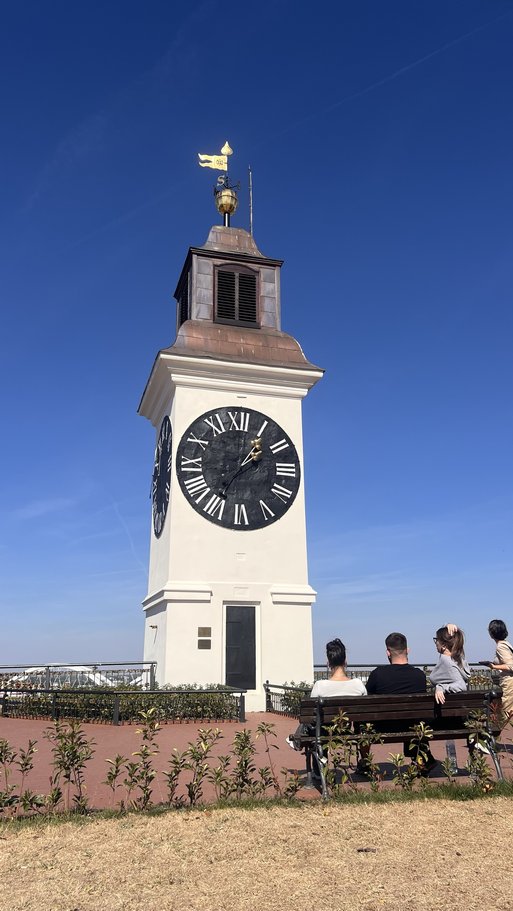
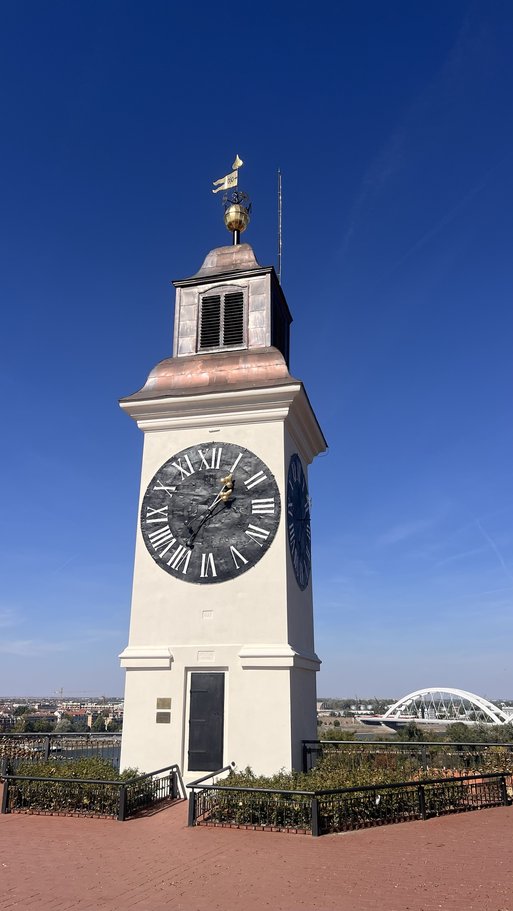
The best-known landmark of the fortress is its white clock tower. Its hands are the other way round: the big hand shows the hours and the small hand the minutes, so that fishermen on the Danube could read the hour from far away. The supercell storms of 19 and 21 July 2023 badly damaged the tower. Restoration began on 14 October 2024 (021.rs). The original gilded top with the apple, the compass points and the weather vane went to the City Museum of Novi Sad, and a gilded replica now stands in its place; at the end of May 2025 the works were nearly finished (021.rs).
Under the fortress runs a system of underground military galleries about 16 km long on four levels, one of the largest among European fortifications. It was built between 1765 and 1783 to plans by the engineer Major Schröder. Rows of loopholes, with vents for the powder smoke, faced the ground where enemy troops would stand (City Museum of Novi Sad).
Three underground wells in the fortress still work; the best known is the Emperor’s Well, Carski bunar (Novosti). Guides tell that Emperor Joseph II, son of Maria Theresa, drank from it (Aktivni odmor).
Go into the galleries only with a guide: without one the tunnels are easy to get lost in and dangerous. The City Museum of Novi Sad, which has its premises in the fortress, can be reached on (021) 6433-145; private tours of the underground are also run by local agencies.
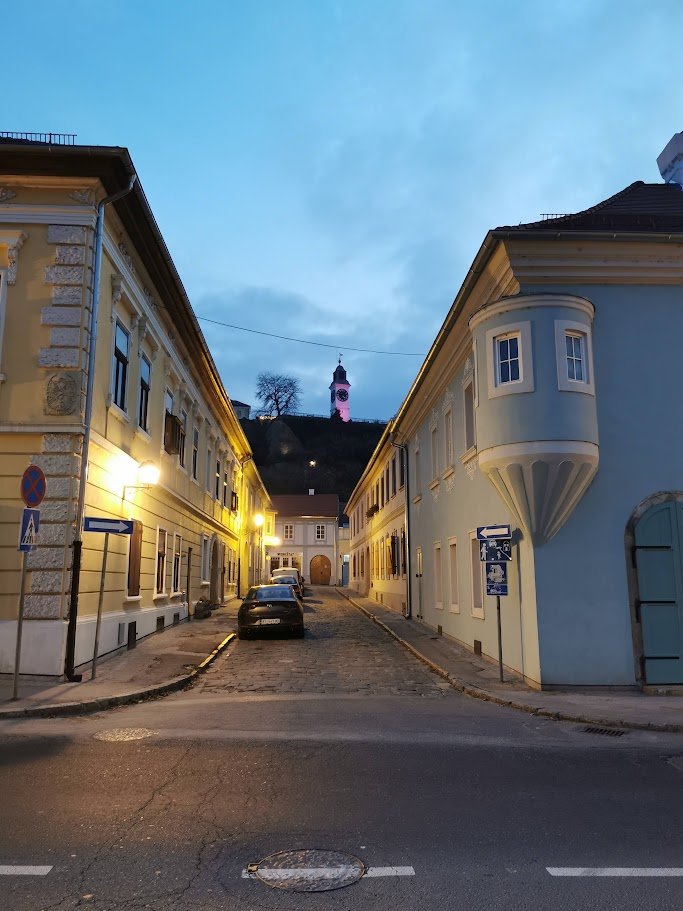
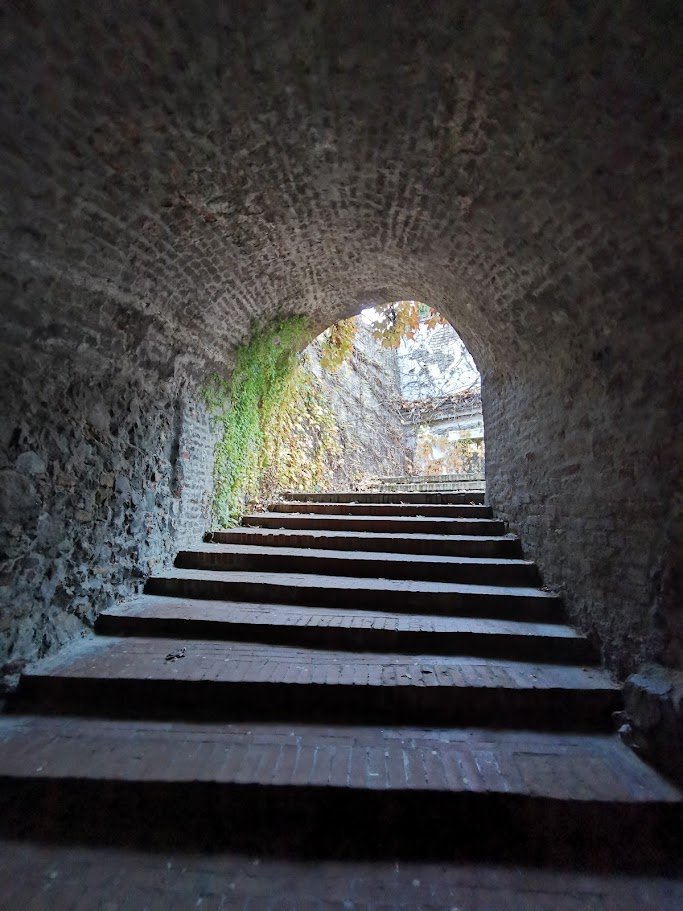
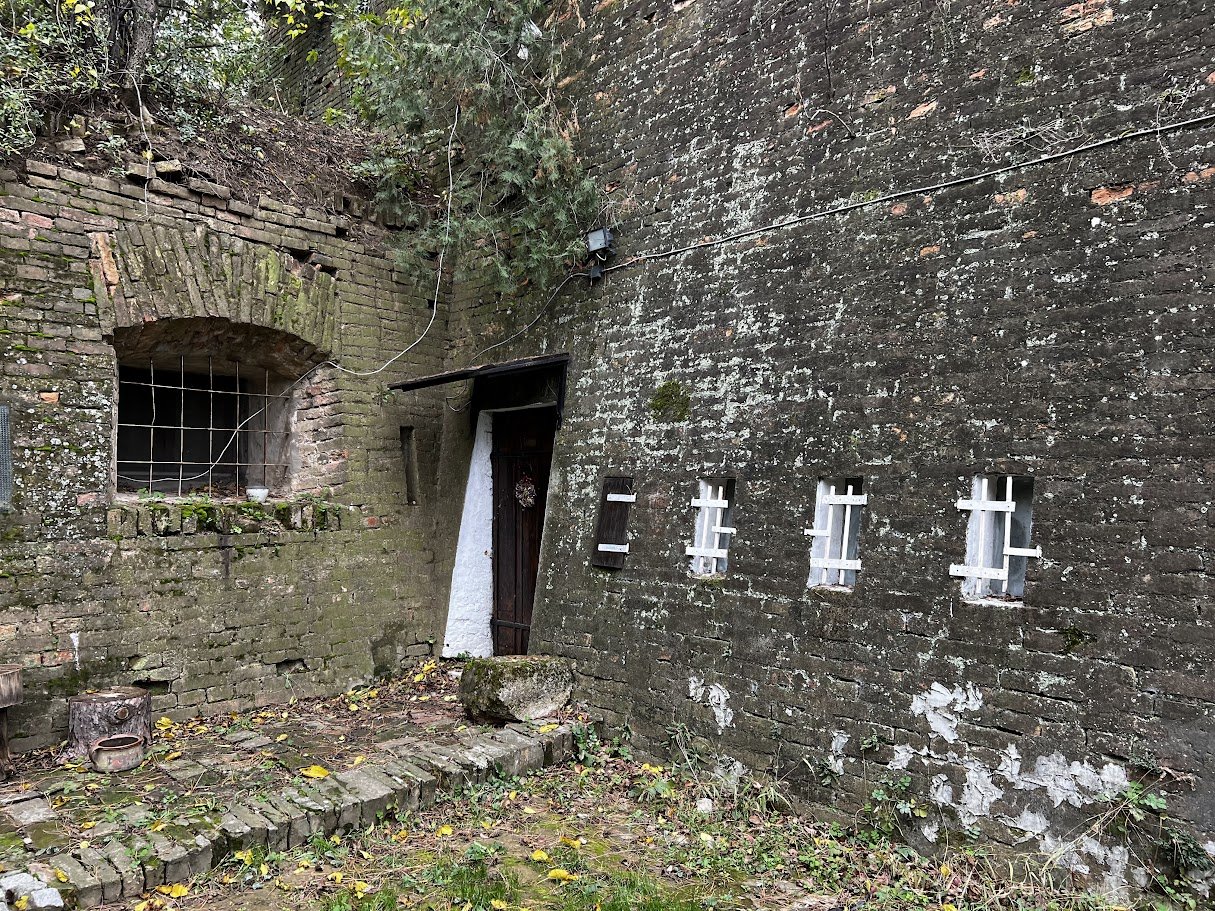
Below the fortress, between the rock and the Danube, lies the Lower Town, the old Podgrađe. It is protected together with the fortress: the official name of the monument is “Upper and Lower Petrovaradin Fortress with Podgrađe” (Wikipedia). Along the walls stand casemates, and vaulted passages and steps lead up through the slopes.
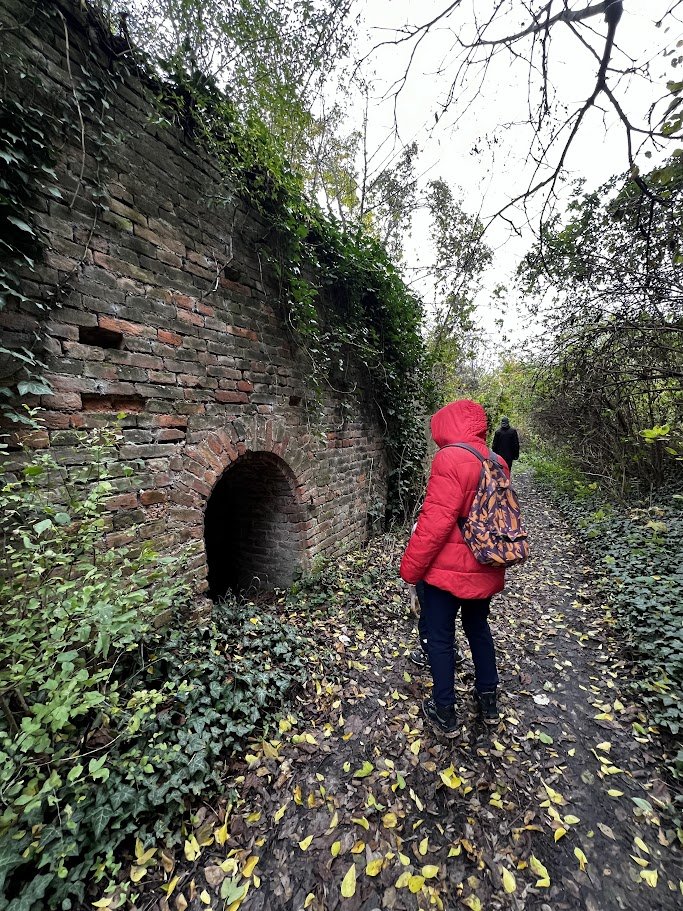
In 1883 a railway tunnel 341 m long was cut through the rock under the fortress, for the new line from Zemun through Petrovaradin and Novi Sad to Subotica (Luftika). From the tunnel the trains ran straight onto the Franz Joseph Bridge, a steel railway bridge over the Danube opened on 11 November 1883.
The bridge did not survive the Second World War. In April 1941 the Royal Yugoslav Army blew it up to slow the German advance; the Germans rebuilt it, and on 22 October 1944, retreating, they destroyed it again. It was never rebuilt. Its piers still stand in the Danube below the fortress; for EXIT 2022 one of them was painted as a yellow submarine (Visit Distrikt, Wikipedia).
Without its bridge the tunnel lost its purpose. It has since served as a military store and for growing mushrooms; today it stands empty, and the city’s plan for Petrovaradin foresees turning it into an exhibition space about the history of the fortress (021.rs).
The road bridge below the fortress, the Varadin Bridge, is also new: the old one was destroyed in the NATO bombing on 1 April 1999, and the present bridge was built on its piers in 2000.
In 1969 MGM shot the war comedy Kelly’s Heroes in Yugoslavia, with Clint Eastwood and Donald Sutherland. Some of it was filmed very close to Rakovac: at the castle in Beočin and at the old coal mine in Vrdnik (B92). Between takes the 39-year-old Eastwood visited Novi Sad and rested at Petrovaradin; the photographer Lawrence Schiller photographed him on the fortress and on the Novi Sad quay (Telegraf). Those photos belong to a photo agency, so we can only link to them.
The fortress is in Petrovaradin; from Rakovac the drive takes 17–20 minutes. Allow at least a couple of hours: for the walls and the views, the clock tower, the museum and the streets of the Lower Town below.
About 12 minutes by car
A spa village on the other side of the mountain, with the large Fruške Terme thermal resort, the older Termal pools and traditional restaurants.
Vrdnička kula · about 10 minutes by car
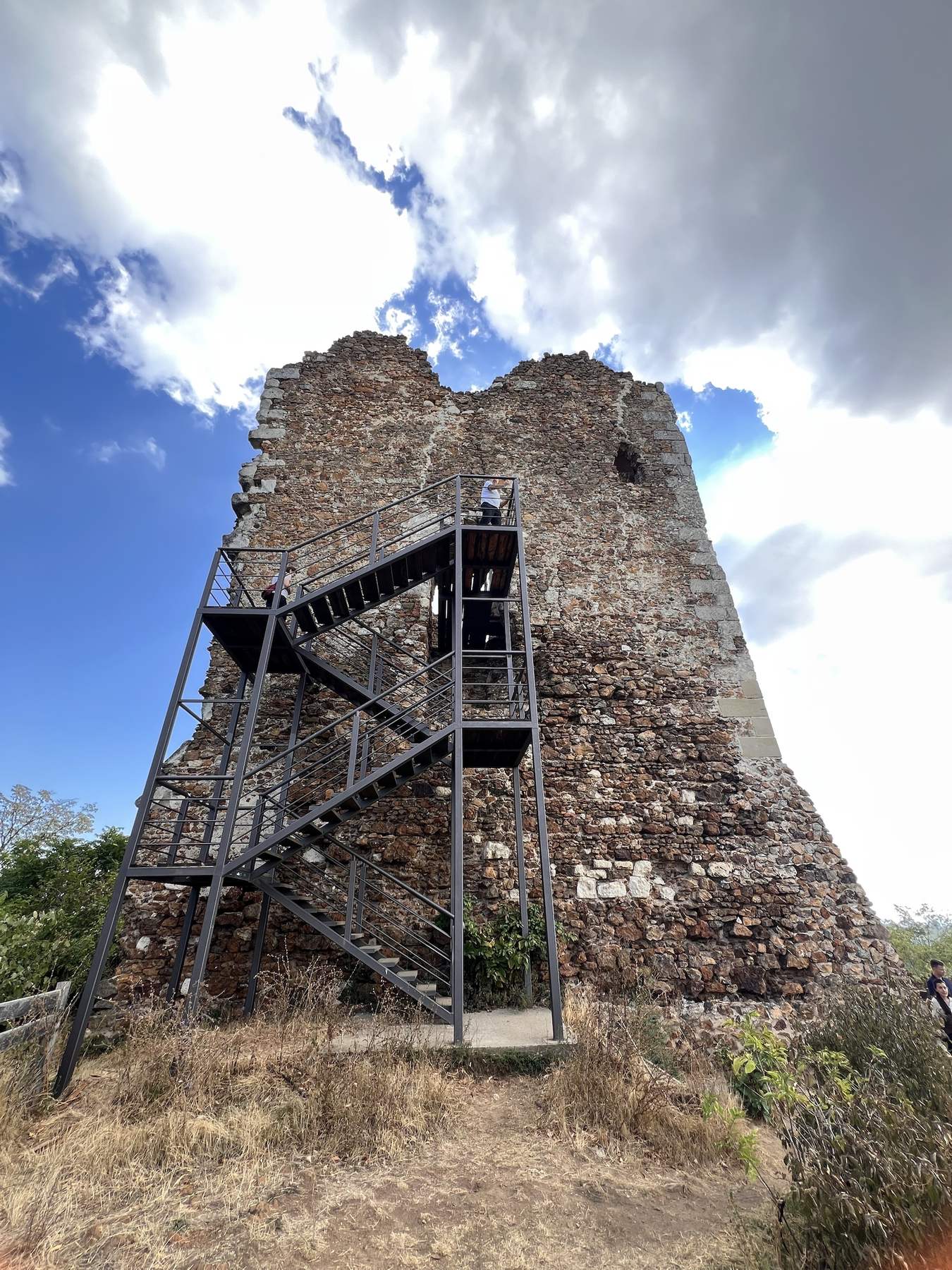
The 18-metre keep of a medieval fortress first recorded in 1315, on a hill above Vrdnik spa. You can climb it by a steel staircase and look out over Srem.
Bešenovačko jezero · about 25 minutes by car
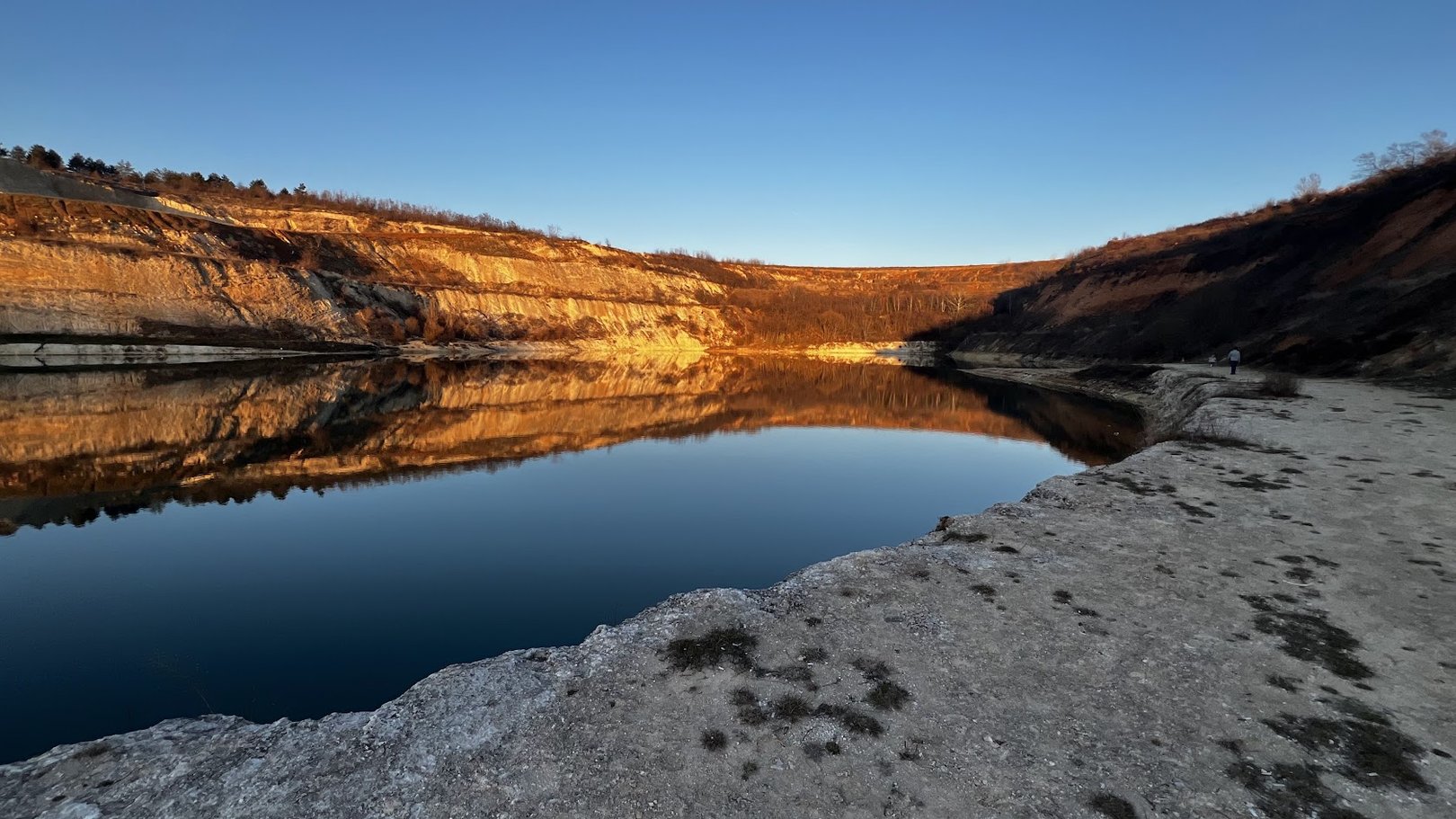
A turquoise lake in an old marl quarry on the south side of Fruška Gora: the most popular swimming lake of the area, with gently sloping places for small children.