History

Seven thousand years of Rakovac

Farmers of the Neolithic, a Roman villa, a medieval Hungarian abbey turned fortress, a Serbian monastery with a copying workshop, partisan resistance and a village rebuilt after the war. A great deal of history has passed through one small valley.

Rakovac Monastery in 1885
Photo: Ottokar Rechnitzer, Public domain

Timeline

WhenWhat happened
about 7,000 years agoNeolithic farmers settle at Gradina, in what is now Novi Rakovac.
3rd–4th century ADA late Roman villa with underfloor heating (hypocaust) stands on the same spot.
12th centuryA Benedictine abbey, known in Hungarian charters as Dombó, builds a three-aisled Romanesque basilica about 32 m long, with a carved marble chancel screen. The exact date of construction is debated.
1237The abbot of Dombó (“Abbas de Dombo”) appears in a written charter for the first time.
1416Abbot George of Dombó is captured by Ottoman raiders.
1467–1473The abbey is turned into a fortress with walls, gates and a moat.
1526During the Ottoman campaign that ended at Mohács, the fortress of Dombó falls.
late 15th centuryAccording to legend, Raka, chamberlain of Despot Jovan Branković, founds Rakovac Monastery.
1545–1546Rakovac Monastery appears in Ottoman tax registers, its first reliable record.
1700–1714The monastery’s scriptorium copies Dušan’s Code (1700) and completes the Rakovac Srbljak (1714).
1735–1771Baroque rebuilding: bell tower (1735), iconostasis (1763), refectory paintings (1768), residential wings (1771).
1930sStone quarrying at Beli Majdan comes to an end.
1941–1945Srem is occupied. Quarry workers and villagers join the partisans. In 1943 the monastery is looted and blown up and the old village burned.
after 1945The old village is not rebuilt. Novi Rakovac grows further down the valley, and the old part becomes Stari Rakovac.
1990The monastery is declared a Monument of Culture of Exceptional Importance. Its church is restored during the 1990s.
2022The census counts 2,137 residents.

How sure are we?

Every statement on these pages comes from a published source, listed in the project’s fact log. Where historians disagree, for example on the date of the Dombó basilica or on when the fortress was finally destroyed, we say so on the page rather than choosing one answer.

Read more

Archaeological site · protected cultural property

Gradina: the lost abbey of Dombó

Seven thousand years in one place: a Neolithic village, a Roman villa, a medieval Benedictine abbey that became a fortress, and today an excavation site on the edge of Rakovac.

From a legend of 1498 to today

The story of Rakovac Monastery

A hunter’s vow, a scriptorium that copied Serbia’s medieval law code, a baroque golden age, destruction in 1943 and a slow rebirth.

1941–1945

Rakovac in the Second World War

Quarry workers who swore the partisan oath, raids on the quarry’s dynamite store, the great offensive of August 1942, and a village burned in 1943.

Spomen-obeležje Kamenolom

Kamenolom memorial

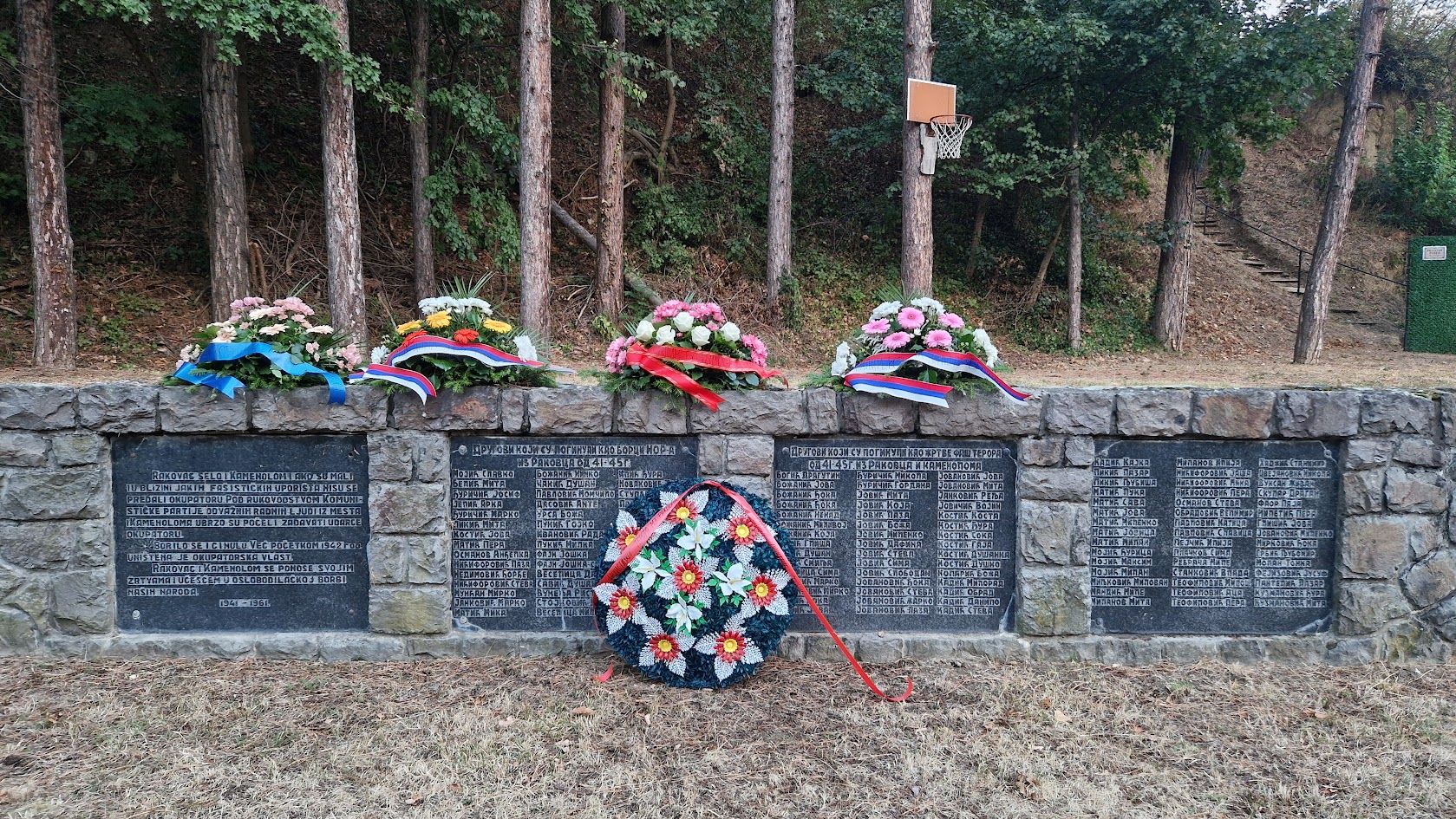
The memorial near the monastery where villagers and quarry workers took the partisan oath in 1941, with the names of the fallen and of the civilian victims.

Spomenik Stručica

Stručica memorial

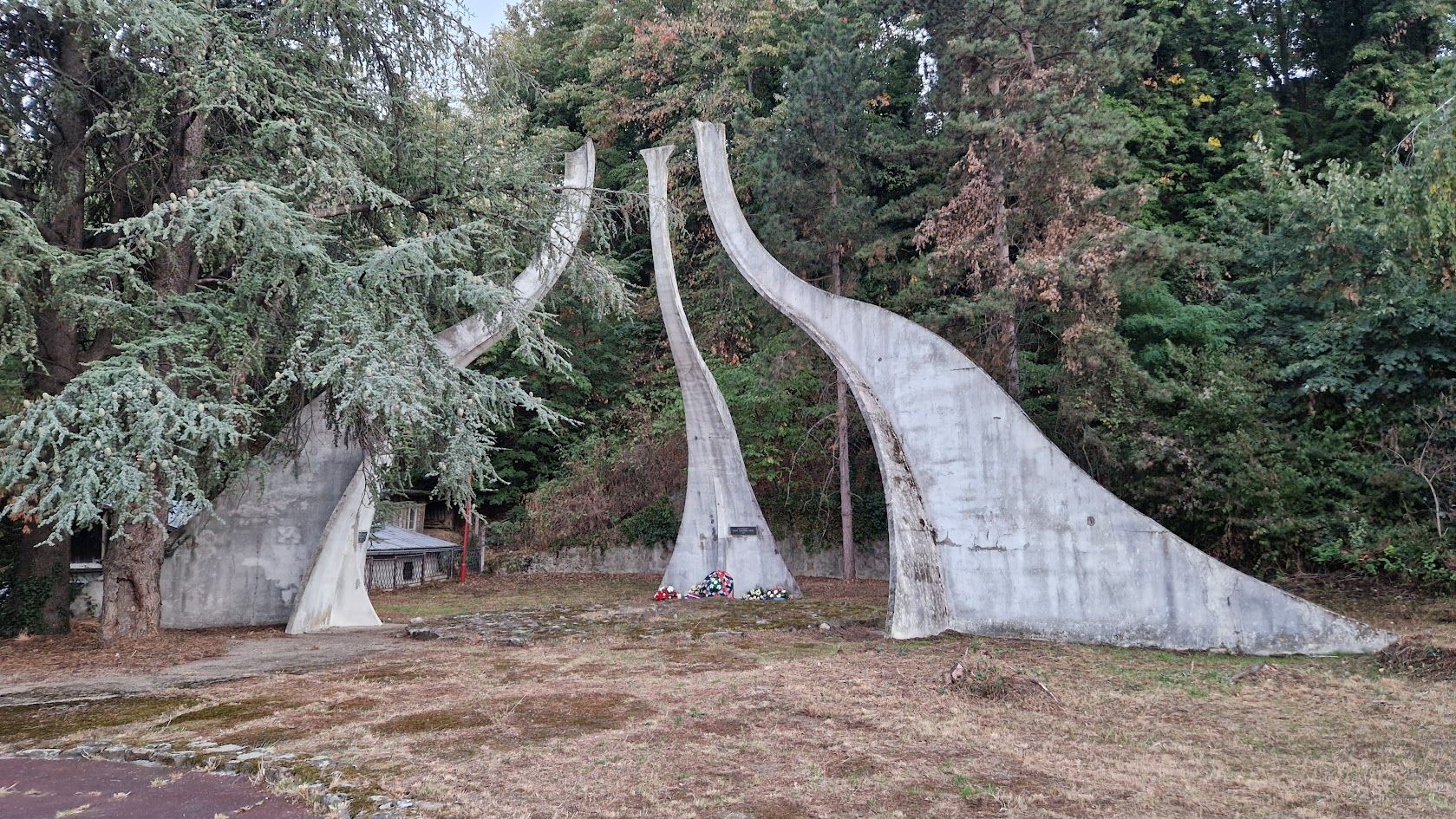
Three curved concrete pillars in Novi Rakovac for three partisan leaders killed here in August 1942.

Maps · 18th–20th century

Old maps of Rakovac

Rakovac on historical maps: the detailed Austro-Hungarian special map of 1915 and a general map from about 1910, with more maps from archives and private collections to come.